Desktop laser engraving technology has advanced significantly, moving from low-power hobby diode setups to robust 1064nm fiber laser systems capable of deep metal engraving, jewelry cutting, and industrial marking. While diode and CO2 lasers dominate organic materials like wood and acrylic, fiber lasers operate at an infrared wavelength (1064nm) specifically suited for gold, silver, brass, stainless steel, aluminum, and dense polymers.
Choosing the right desktop fiber setup requires balancing the core machine's power against optical components such as F-theta field lenses and specialty marking media. Below, we examine the primary complete fiber engraver and essential optical accessories available in the marketplace to help you configure a workspace tailored to your fabrication requirements.
Core Desktop Machine: Metal Processing & Jewelry Fabrication
Cloudray 30W / 50W / 60W Fiber Laser Marking Machine (110x110mm)
The Cloudray Fiber Laser Marking Machine (reference price: ~$1,919.20; rating score: 98/100 based on 90 reviews) is a standalone desktop galvo-style system designed for precise high-speed marking and thin metal cutting. It comes configured with a standard 110x110mm working area and options spanning 30W, 50W, and 60W optical output power.
Intended Use & Capabilities:
- Jewelry Fabrication: Suited for cutting thin sheets of precious metals including gold, silver, and copper when configured with higher-wattage sources (50W or 60W).
- Industrial Marking: Provides permanent, high-contrast serialization, deep engraving, and barcode etching across stainless steel, aluminum, brass, and industrial tooling.
- Galvanometer Efficiency: Unlike gantry-based desktop lasers, galvo-driven fiber heads use high-speed oscillating mirrors, resulting in rapid processing speeds for small-footprint items.
Trade-offs & Limitations: The standard 110x110mm field lens delivers intense optical energy density, but severely restricts work area size for larger panels. Cutting capacities are limited to thin gauges; thick metal plate cutting remains outside the capability of compact 30–60W systems.
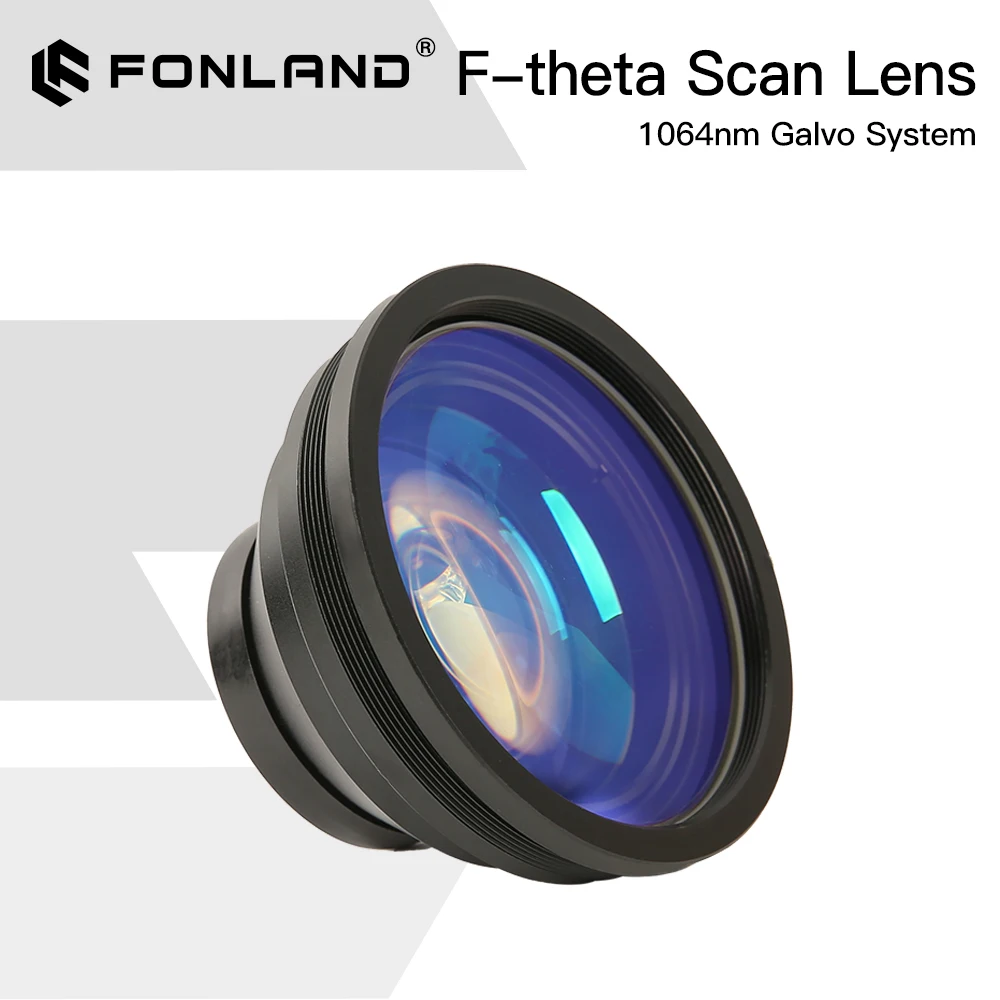
F-theta Scan Lens Field Lens 1064nm 50x50 - 300x300mm F63-420mm for 1064nm YA…
Optical Upgrades: F-Theta Scan Field Lenses (1064nm)
The F-theta scan lens is the critical optical element screwed onto the galvanometer head. It flattens the spherical focal field, ensuring that the laser spot remains uniformly focused across the entire working plane. Choosing the right focal length (F-value) and field size involves an inherent engineering trade-off: larger fields disperse the laser power over a wider spot size, decreasing power density, whereas smaller fields concentrate energy for finer detail and deeper penetration.
1. F-Theta Scan Lens 1064nm (50x50mm to 300x300mm, F63–420mm) – Entry Option
Available at an entry reference price of ~$25.18 (rating score: 99.6/100 from 119 reviews), this 1064nm F-theta lens is designed for standard YAG and optical fiber laser marking heads. It spans field sizes from high-density 50x50mm (F63) up to wide-format 300x300mm (F420mm).
Best For: Budget-conscious operators needing a replacement lens or seeking to test different field sizes without significant capital expenditure.
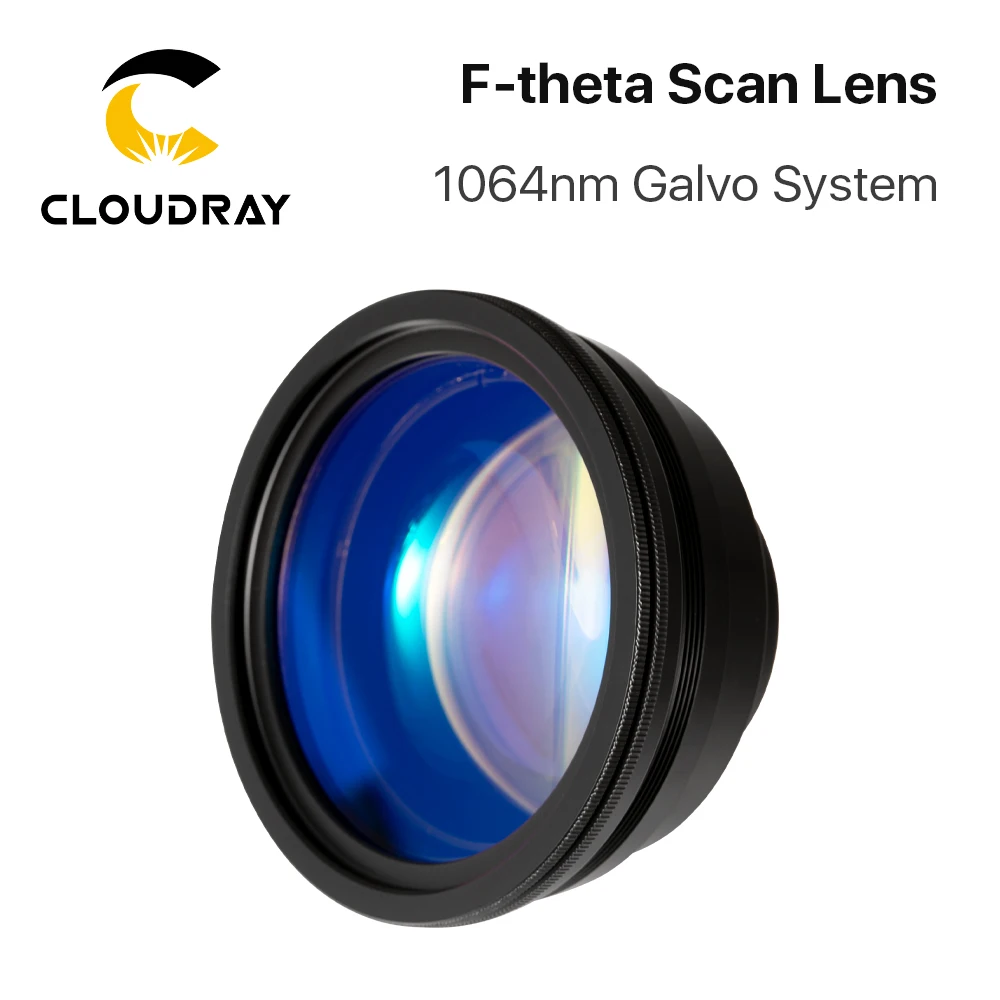
2. F-Theta Scan Lens 1064nm (50x50mm to 300x300mm, F63–420mm) – Alternative Build
This mid-range F-theta lens option (reference price: ~$52.70; rating score: 100/100 from 101 reviews) offers identical wavelength (1064nm) and optical range specifications (50x50mm to 300x300mm working fields, F63 to F420mm focal lengths).
Best For: Workshop owners looking for alternative lens supplier consistency or replacing factory optics on 1064nm fiber marking platforms.
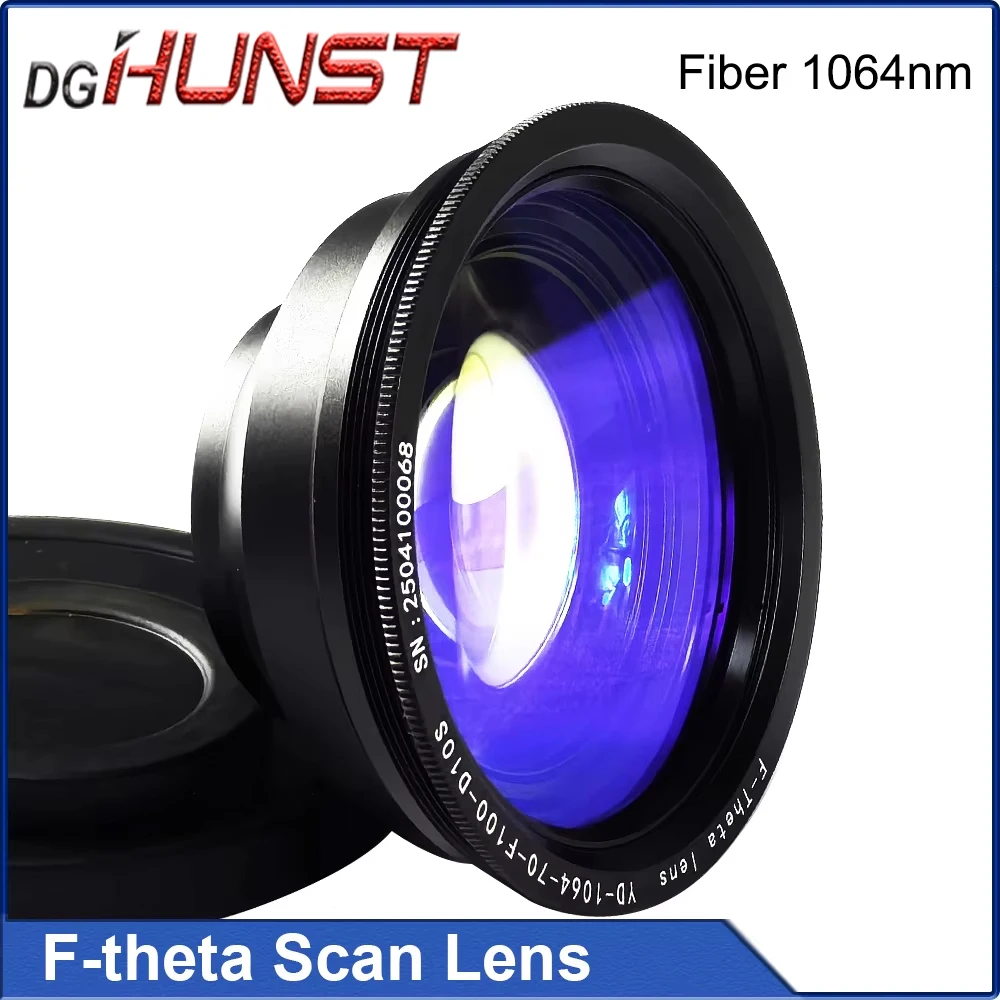
3. DGHUNST F-Theta Scanning Lens 1064nm (50x50mm to 400x400mm, F80–525mm)
The DGHUNST F-theta Scanning Lens (reference price: ~$32.40; rating score: 98.3/100 from 70 reviews) extends maximum working dimensions up to a 400x400mm field with focal lengths ranging from F80 to F525mm.
Best For: Users with high-wattage fiber units (50W–60W+) who require larger marking fields on broader components where absolute peak energy density can be traded for spatial coverage.
Expanding Material Versatility: Marking Consumables
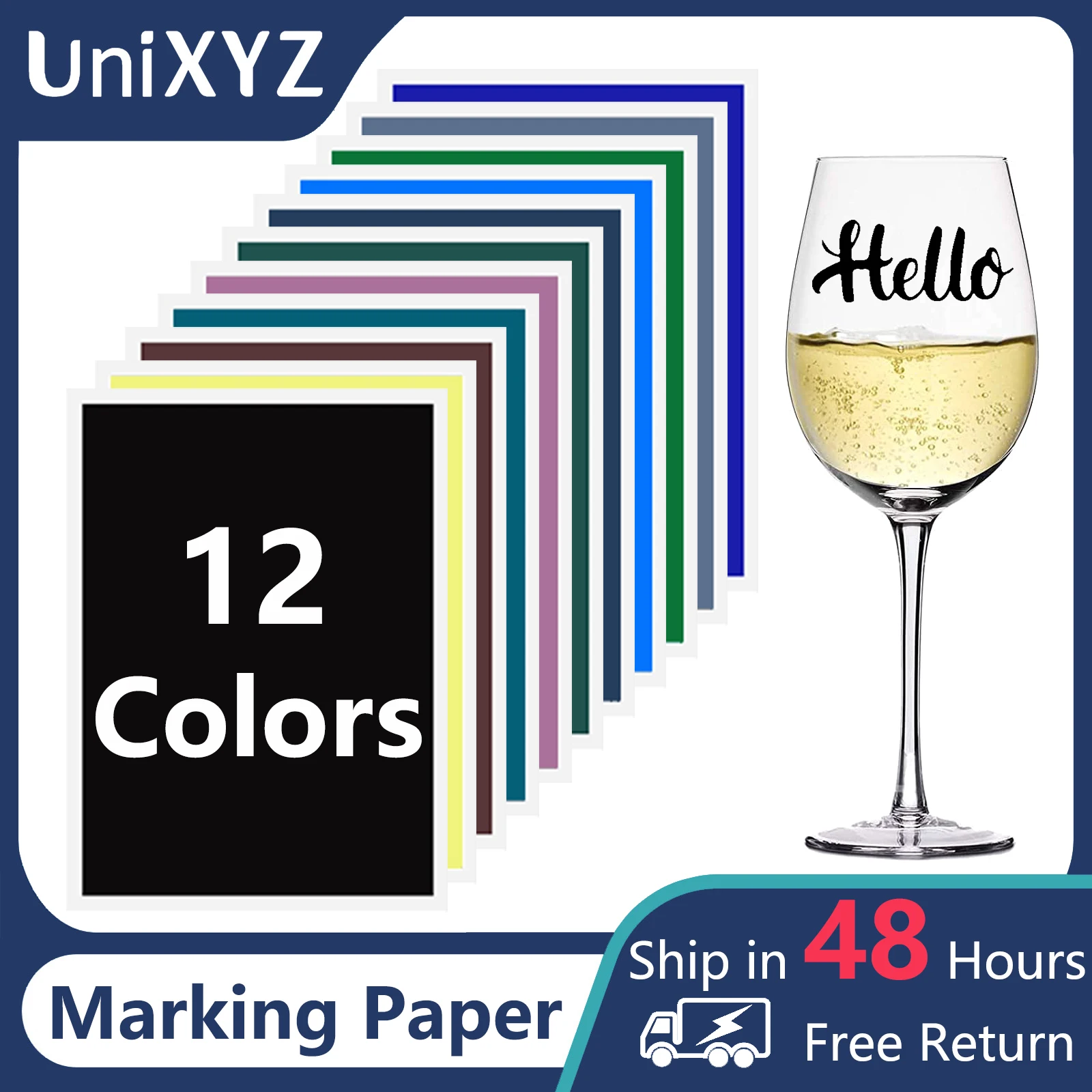
Colored Laser Engraving Marking Paper
Because 1064nm fiber lasers and 10.6µm CO2 lasers interact poorly with transparent or highly reflective non-metals, thermal transfer consumables bridge the capability gap. The Colored Laser Engraving Marking Paper (reference price: ~$3.15; rating score: 95.5/100 based on 675 reviews) is formulated for use with CO2, fiber, and UV laser sources on ceramics, glass, crystal, stone, and glazed tiles.
Application: The sheet is moistened, applied flat against smooth surfaces, and cured permanently into the substrate via laser thermal bonding, enabling high-contrast colored marking on substrates that the native beam might otherwise shatter or pass through.
Limitations: Requires manual application, post-engraving washing/cleanup, and careful parameter tuning to avoid flaking or burning the transfer pigment.
F-theta Scan Lens Field Lens 1064nm 50x50 - 300x300 F63-420mm for 1064nm YAG …
Buying Decision Criteria for Desktop Laser Setups
- Wavelength Matching: Ensure all optics and accessories match your laser source. A 1064nm F-theta lens must only be paired with fiber/YAG lasers. Using a 1064nm lens on a 455nm blue diode or 10,600nm CO2 machine will cause optical failure and safety hazards.
- Working Field vs. Energy Density:
- Small fields (50x50mm to 110x110mm): Produce tiny spot sizes and high fluence, essential for deep metal relief engraving and cutting thin jewelry sheets.
- Large fields (200x200mm to 400x400mm): Expand throughput for batch-marking pens or large nameplates, but dilute energy concentration, requiring slower travel speeds or higher wattage.
- Laser Source Wattage: 30W is standard for surface marking, serial numbers, and light etching. 50W and 60W models provide the necessary power headroom for deeper engravings and cutting thin precious metal foils.
- Safety and Enclosures: Fiber laser beams (1064nm) are invisible and present significant eye hazards due to specular reflection off polished metals. Appropriate OD6+ 1064nm safety goggles and proper ventilation for metallic dust and toxic vapors are required.
Audience Guidance: Which Configuration Fits Your Needs?
| User / Application Profile | Recommended Equipment & Accessories | Primary Benefit |
|---|---|---|
| Jewelers & Metal Smiths | Cloudray 50W/60W Machine + 110x110mm Lens | High optical density for cutting gold/silver and deep relief stamping. |
| Batch Industrial Part Markers | Cloudray Machine + DGHUNST 300mm or 400mm Lens | Wide field allows marking multiple parts in a single automated pass. |
| Mixed-Media Customizers | Fiber/CO2 Setup + Colored Marking Paper | Expands marking capability to glassware, ceramics, and stone tiles. |
| Maintenance & Lens Replacements | 1064nm F-theta Lenses ($25.18 – $52.70) | Cost-effective replacement or field size adaptation for existing galvo systems. |
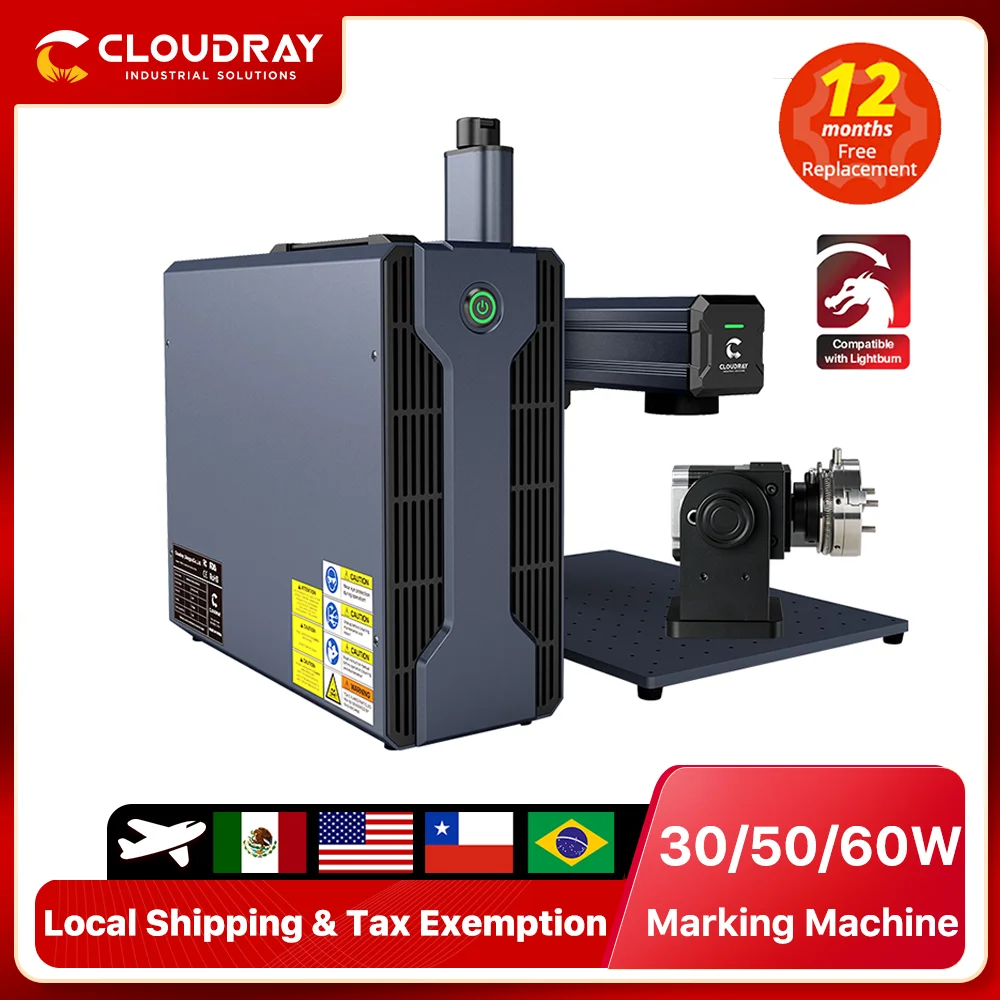
Cloudray 30/50/60W Fiber Laser Marking Machine 110*110mm For Cutting Jewelry …
How We Evaluated
This guide is based entirely on comparative technical specification analysis, optical physics principles, manufacturer-provided documentation, and verified marketplace customer feedback metrics. No physical cutting or destructive bench testing was conducted. Evaluated parameters include laser power ratings, optical wavelength compatibility, focal length trade-offs, pricing transparency, and verified buyer ratings across AliExpress listings. Reference prices and rating counts reflect data at the time of publication and are subject to change over time.