Independent Desktop Laser Engraver Reviews & Specs
Desktop Laser Engraving Machines & Diode Cutter Reviews 2026
BeamMetrics breaks down desktop laser engraving machines through detailed technical comparisons, specification breakdowns, and honest pros and cons. Find the ideal diode or CO2 engraver for your workshop without the marketing hype.
Helping makers, small business owners, and craft enthusiasts navigate desktop laser cutter hardware with clarity and objective analysis.
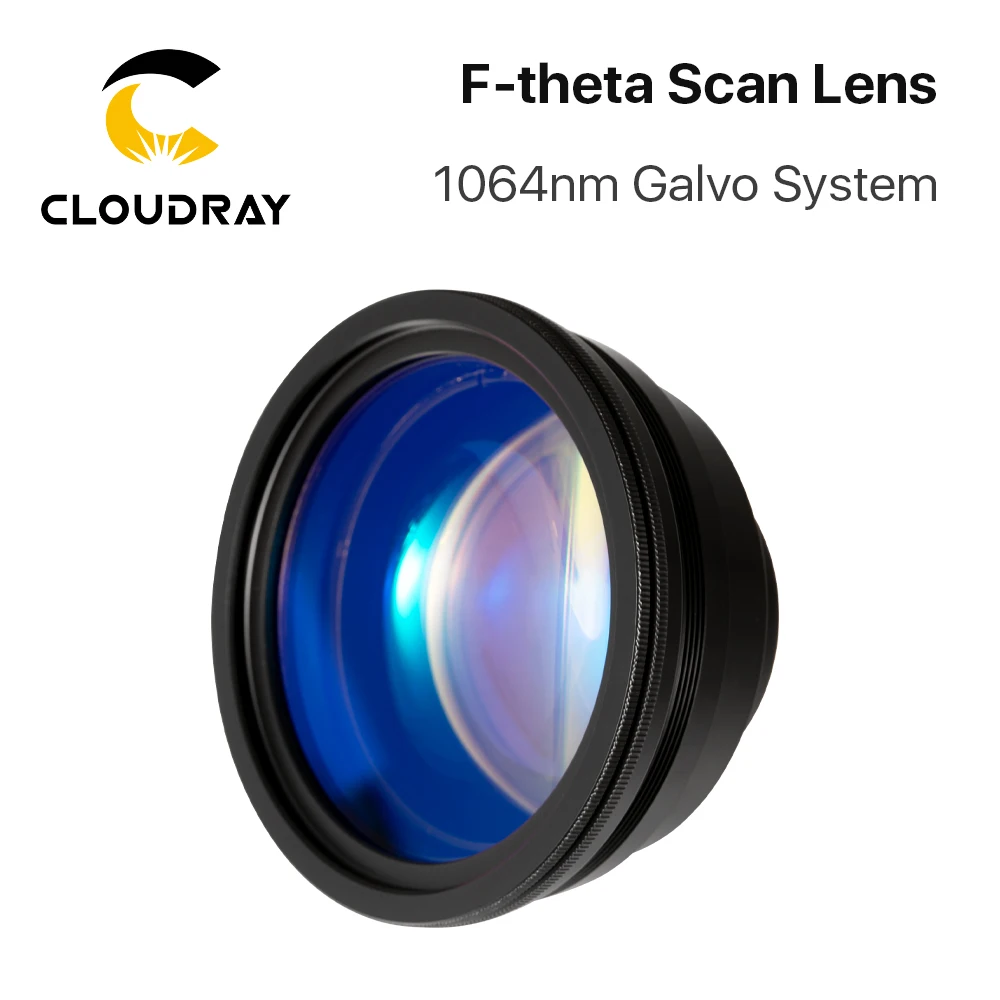 #1
#1 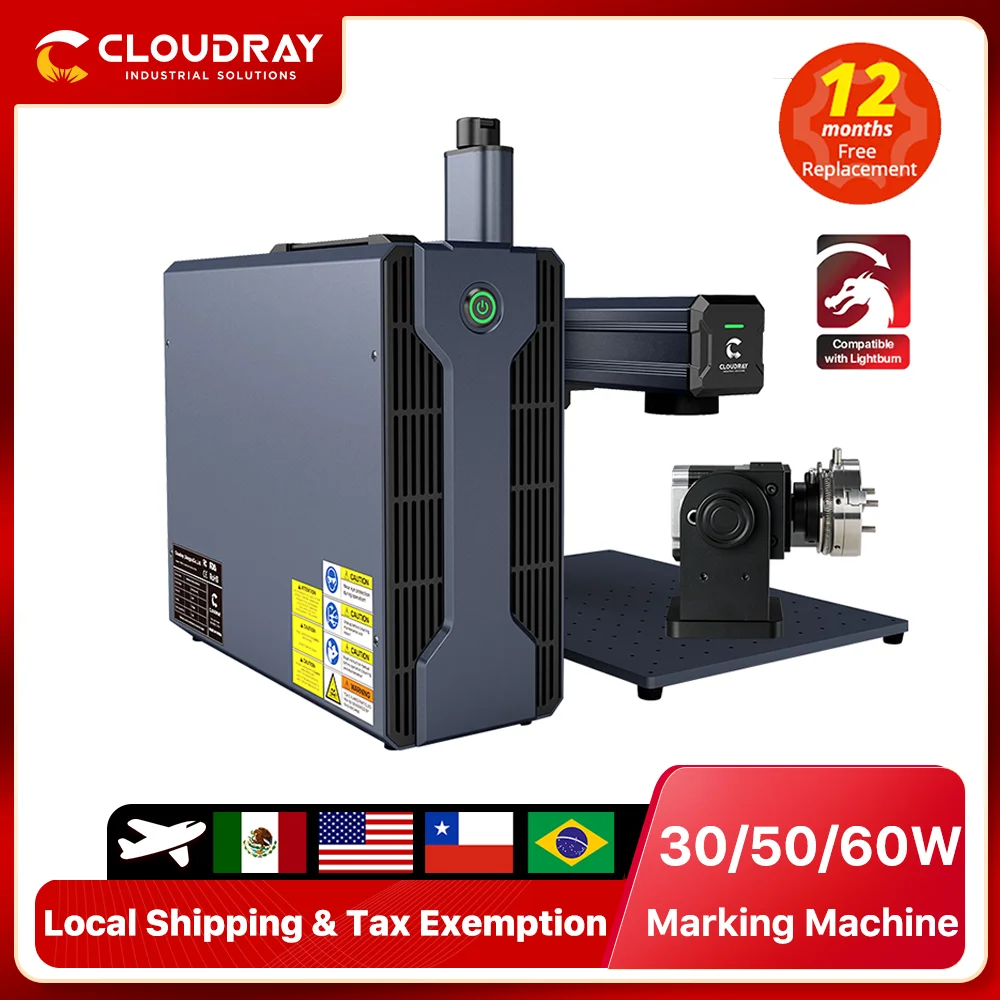 #2
#2 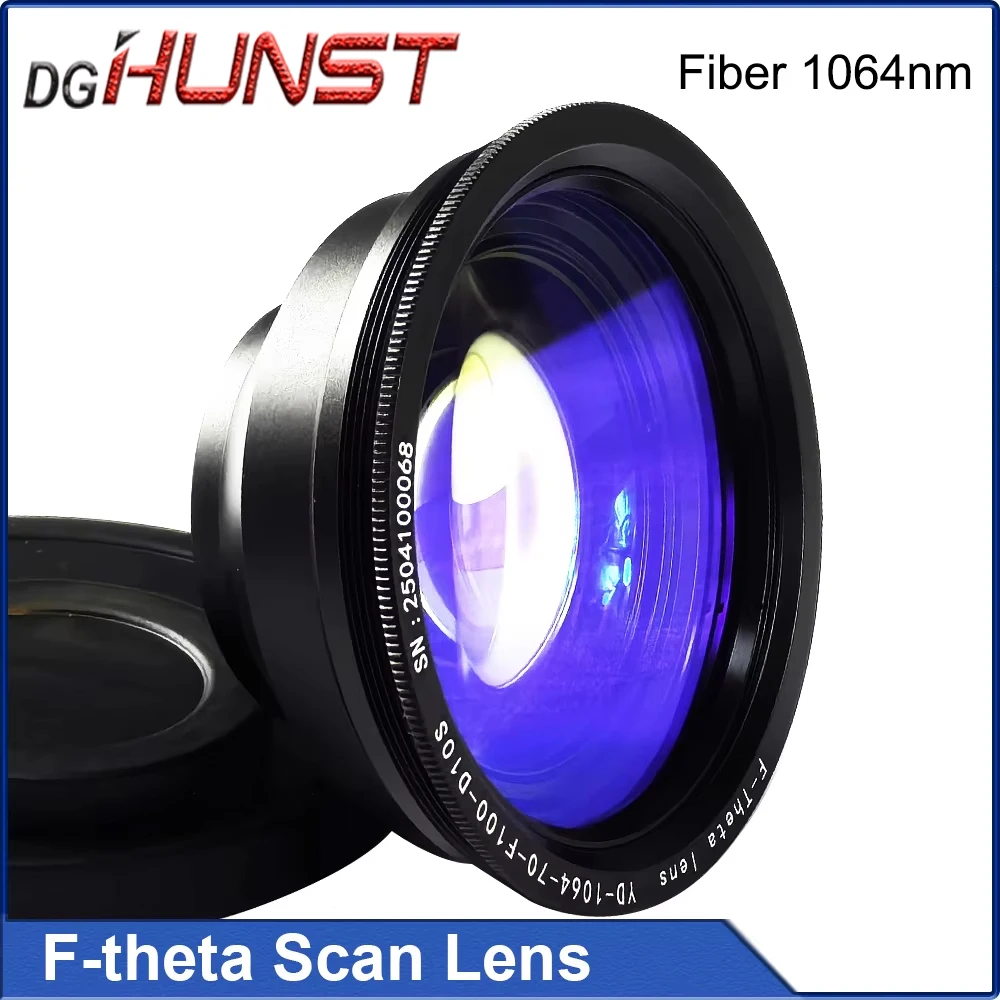 #3
#3 Explore Laser Engraving Hardware Categories
Key Engraver Metrics 01 Optical Output TiersDistinguish between 5W, 10W, 20W, and 40W true diode laser output versus misleading total machine wattage.
02 Enclosure & FiltrationVerify OD4+ laser shielding classes, exhaust fan airflow rates, and certified flame interlock sensors.
03 LightBurn & GRBL ControlExamine 32-bit mainboard architectures, baud rate limits, offline screen controllers, and Limit switch wiring.
04 Bed Size & Frame RigidityEvaluate linear rail systems, V-wheel wear profiles, and working dimension extensions up to 800x400mm.
Our Analytical Evaluation Methodology
True Optical Output Verification
Extracting diode module datasheets to isolate actual optical milliwatts from input electrical power figures.
Safety Mechanism Documentation
Documenting included eyewear optical density ratings, emergency stop hardware, and active tilt cutoff switches.
Firmware & Pass Charts
Validating GRBL firmware versions, LightBurn G-code compatibility, and vendor material cutting thickness charts.